Introduction
As our loved ones age, family caregivers often find themselves navigating unfamiliar territory filled with complex health challenges and emotional decisions. Understanding aging problems in elderly adults is crucial for providing compassionate, effective care. In the UK alone, over 11 million people are aged 65 and over, with many experiencing multiple age-related health conditions that require careful management and support.
This comprehensive guide explores the most common health problems in elderly adults, from chronic diseases and age-related cognitive decline to mobility issues in seniors and mental health concerns. Whether you're caring for an aging parent, grandparent, or spouse, you'll discover practical insights, warning signs to watch for, and valuable resources to support your caregiving journey.
Understanding the Aging Process
Aging is a natural biological process that affects every system in the body. While everyone ages differently, certain changes are nearly universal among elderly adults.
Physical Changes in Aging
The physical aspects of aging begin gradually, often in our 30s and 40s, but become more pronounced after age 65. Muscle mass naturally decreases (a condition called sarcopenia), bones become less dense, and the cardiovascular system becomes less efficient. Skin loses elasticity, healing takes longer, and the immune system weakens, making elderly adults more susceptible to infections.
According to the NHS, these changes don't necessarily mean poor health, but they do increase vulnerability to certain conditions and require proactive management.
Cognitive Changes in Aging
Not all cognitive changes signal dementia. Normal aging can include occasional forgetfulness, slower processing speed, and difficulty multitasking. However, significant memory loss, confusion, or personality changes warrant medical evaluation.
Case Study: Margaret's Story
Margaret, 78, began forgetting her grandchildren's names and repeatedly asking the same questions. Her daughter Sarah initially dismissed it as "normal aging," but when Margaret got lost driving to her local supermarket—a route she'd taken for 30 years—Sarah sought medical advice. Early diagnosis of mild cognitive impairment allowed the family to implement memory strategies and plan for future care needs.
Common Health Problems in Elderly Adults
Chronic Diseases in Elderly
Chronic conditions are the leading health challenge for aging populations. The most prevalent include:
Cardiovascular Disease: Heart disease remains the leading cause of death in elderly adults. High blood pressure, coronary artery disease, and heart failure become increasingly common with age. The British Heart Foundation reports that 1 in 4 people over 65 have cardiovascular disease.
Diabetes: Type 2 diabetes affects approximately 1 in 10 people over 65 in the UK. Age-related insulin resistance, combined with decreased physical activity, contributes to rising rates among seniors.
Arthritis: Over 10 million people in the UK have arthritis, with prevalence increasing significantly after age 65. Osteoarthritis causes joint pain, stiffness, and reduced mobility, impacting quality of life and independence.
Respiratory Conditions: Chronic obstructive pulmonary disease (COPD), asthma, and other respiratory issues become more common and severe with age, particularly among those with smoking history.
Age-Related Cognitive Decline and Dementia
While some memory changes are normal, dementia represents a significant decline in cognitive function that interferes with daily life. Alzheimer's Society UK estimates that over 900,000 people in the UK live with dementia, with numbers expected to rise to 1.6 million by 2040.
Types of Dementia:
- Alzheimer's disease (60-70% of cases)
- Vascular dementia
- Lewy body dementia
- Frontotemporal dementia
Early signs include memory loss affecting daily activities, difficulty with familiar tasks, confusion about time or place, and changes in mood or personality.
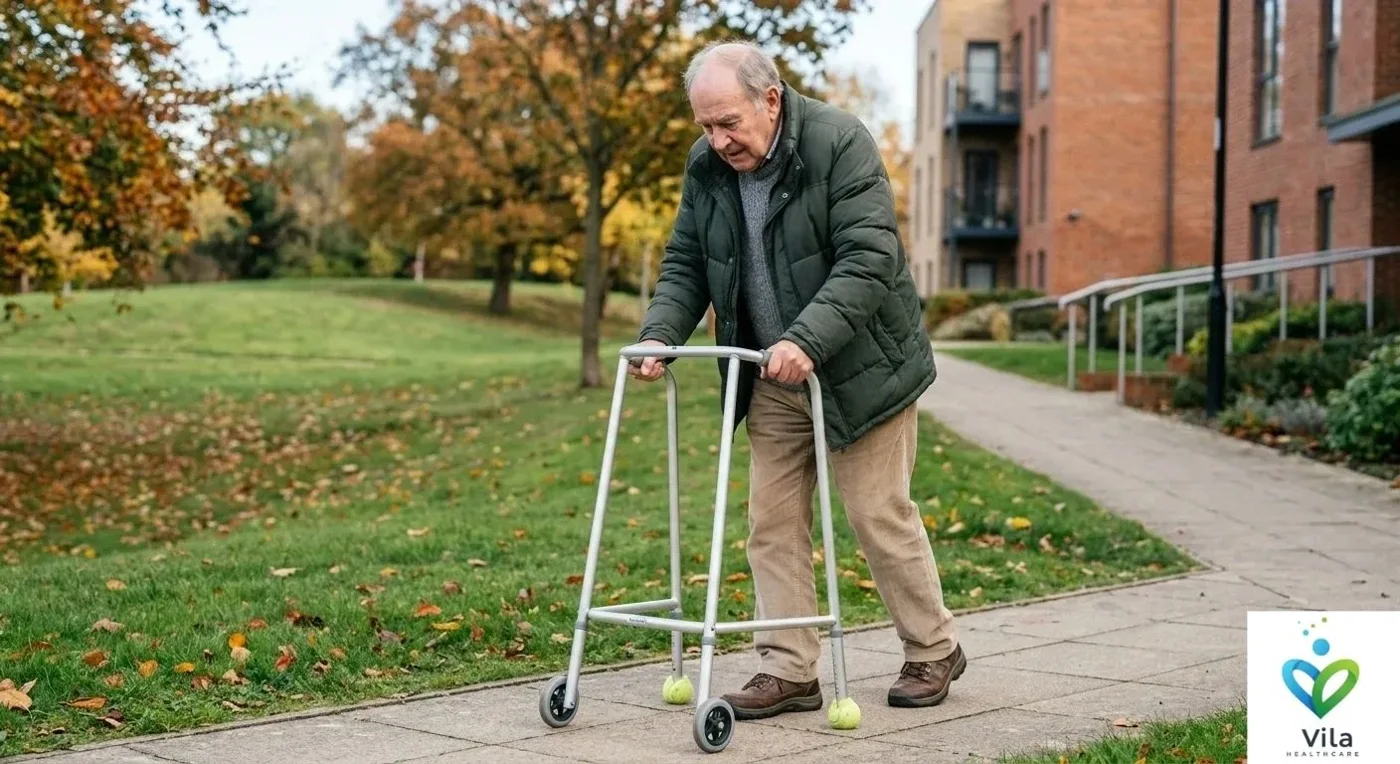
Mobility Issues in Seniors
Mobility problems significantly impact independence and quality of life for elderly adults.
Falls Risk: According to Age UK, approximately 1 in 3 adults over 65 who live at home will experience at least one fall per year. Falls can lead to serious injuries, including hip fractures, and often trigger a cascade of health complications.
Osteoporosis: This "silent disease" weakens bones, making them fragile and prone to fractures. Women are particularly at risk after menopause, but men also develop osteoporosis as they age.
Balance and Gait Problems: Inner ear changes, muscle weakness, medication side effects, and neurological conditions can all affect balance and walking ability.
Case Study: Robert's Journey
Robert, 82, experienced two falls within three months. After the second fall resulted in a wrist fracture, his GP referred him for a comprehensive falls assessment. The evaluation revealed vitamin D deficiency, inappropriate footwear, and home hazards. With calcium and vitamin D supplementation, physiotherapy, and home modifications (grab rails, better lighting), Robert regained confidence and remained fall-free for over a year.
Mental Health in Aging
Mental health concerns often go unrecognized and untreated in elderly populations, despite being common and treatable.
Depression and Anxiety in Elderly
Depression affects approximately 22% of men and 28% of women aged 65 and over, according to Mental Health Foundation UK. However, it's not a normal part of aging. Depression in elderly adults may present differently than in younger people, with more physical complaints and less obvious sadness.
Warning Signs:
- Persistent sadness or "empty" mood
- Loss of interest in previously enjoyed activities
- Changes in appetite or sleep patterns
- Fatigue and decreased energy
- Physical aches and pains without clear cause
- Thoughts of death or suicide
Anxiety disorders also affect many elderly adults, often co-occurring with depression or chronic health conditions.
Social Isolation in Aging
Loneliness and social isolation pose serious health risks for elderly adults. Age UK reports that over 1 million older people say they go for over a month without speaking to a friend, neighbour, or family member.
Social isolation increases risk of:
- Depression and anxiety
- Cognitive decline
- Cardiovascular disease
- Weakened immune function
- Premature mortality
Case Study: Eleanor's Transformation
After her husband passed away, Eleanor, 76, became increasingly isolated. She stopped attending her book club and rarely left home. Her daughter noticed Eleanor seemed confused during phone calls and had lost significant weight. A GP assessment revealed depression and early malnutrition. With antidepressant medication, connection to a local befriending service, and regular family visits, Eleanor gradually re-engaged with life. Six months later, she'd rejoined her book club and started volunteering at a charity shop.
Nutrition and Aging Concerns
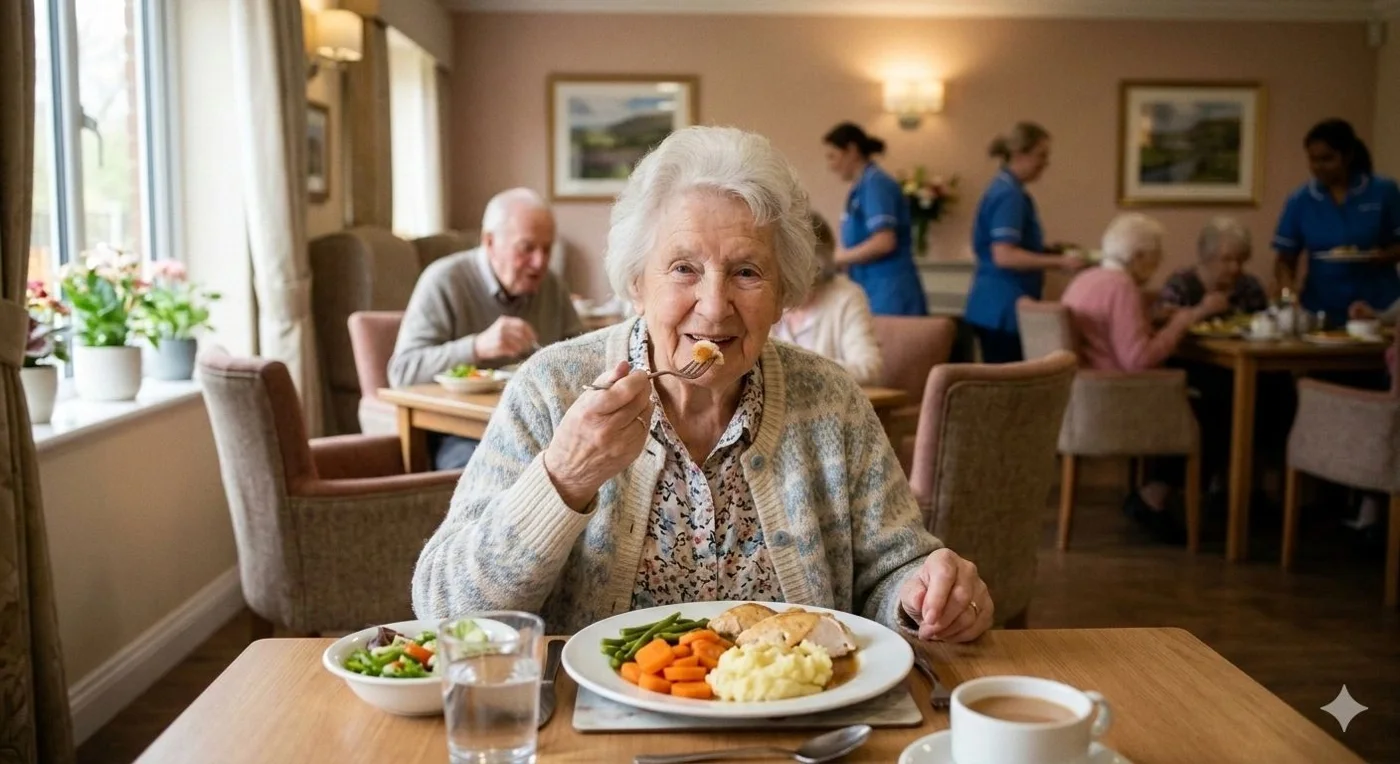
Proper nutrition for elderly adults becomes increasingly important yet challenging with age.
Nutrition for Elderly: Common Deficiencies
Elderly adults are at higher risk for nutritional deficiencies due to:
- Decreased appetite
- Difficulty chewing or swallowing
- Medication side effects
- Limited mobility affecting shopping and cooking
- Fixed incomes restricting food choices
Common Deficiencies:
- Vitamin D: Essential for bone health; deficiency increases falls and fracture risk
- Vitamin B12: Important for nerve function and red blood cell production
- Calcium: Critical for maintaining bone density
- Protein: Necessary for maintaining muscle mass and strength
- Fiber: Important for digestive health
The British Nutrition Foundation provides evidence-based guidance on nutrition for elderly adults.
Appetite Loss and Weight Management
Unintentional weight loss in elderly adults is always concerning and warrants medical evaluation. Causes include:
- Depression
- Dental problems
- Medication side effects
- Underlying illness (cancer, thyroid disorders, infections)
- Difficulty shopping or preparing meals
- Dementia or confusion
Preventive Care for Seniors
Proactive healthcare can prevent or delay many aging problems in elderly adults.
Regular Health Screenings
The NHS recommends regular screenings including:
- Blood pressure checks (at least annually)
- Cholesterol testing
- Diabetes screening
- Cancer screenings (bowel, breast, cervical)
- Vision and hearing tests
- Bone density scans for osteoporosis risk
- Dental check-ups
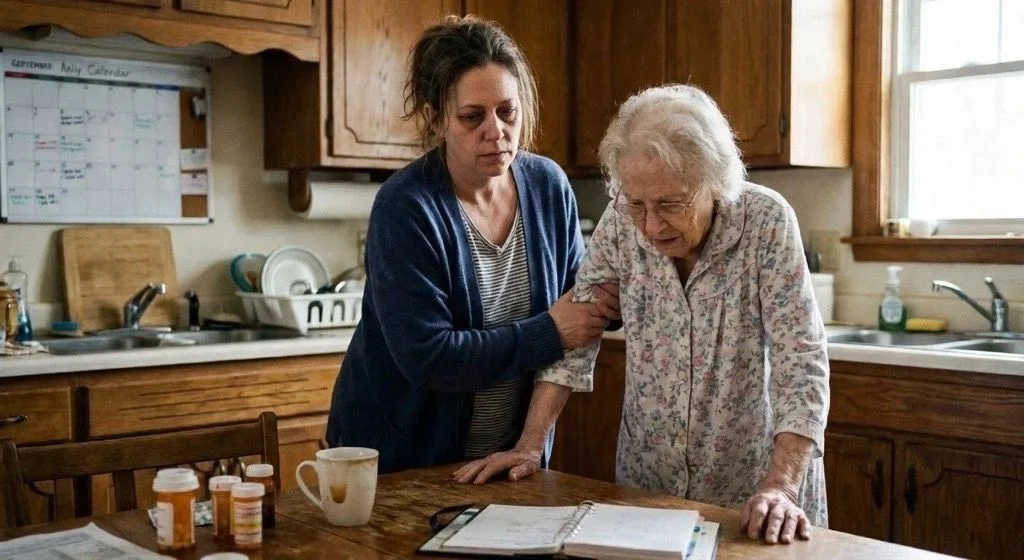
Medication Management
Elderly adults often take multiple medications (polypharmacy), increasing risk of:
- Drug interactions
- Side effects
- Medication errors
- Falls and confusion
Caregiver Tips:
- Maintain an updated medication list
- Use pill organizers
- Schedule regular medication reviews with GP or pharmacist
- Watch for new symptoms after medication changes
- Never stop medications without consulting healthcare provider
Exercise and Physical Activity
Regular physical activity is one of the most effective interventions for healthy aging. Benefits include:
- Maintained muscle strength and balance
- Reduced falls risk
- Improved cardiovascular health
- Better mood and cognitive function
- Enhanced independence
Age UK recommends at least 150 minutes of moderate activity weekly for older adults, adapted to individual abilities.
Warning Signs Family Caregivers Should Watch For
Red Flags for Immediate Medical Attention
Seek emergency care if your elderly loved one experiences:
- Sudden confusion or disorientation
- Chest pain or difficulty breathing
- Severe headache, especially with vision changes
- Sudden weakness or numbness on one side
- Uncontrolled bleeding
- Severe abdominal pain
- Loss of consciousness
- Suicidal thoughts or expressions
Gradual Decline Indicators
Schedule a GP appointment if you notice:
- Unexplained weight loss (more than 5% in 3-6 months)
- Increasing forgetfulness affecting daily life
- Neglected personal hygiene
- Unopened mail, unpaid bills
- Spoiled food in refrigerator
- Medication non-compliance
- Social withdrawal
- Bruising suggesting falls
- Difficulty with familiar tasks
Trust your instincts. You know your loved one best. If something seems "off," it's worth investigating.
Resources and Support for Family Caregivers
Caregiving can be rewarding but also physically and emotionally demanding. Don't try to do it alone.
Professional Care Options
Home Care Services:
- Personal care assistance
- Domestic help
- Companionship services
- Respite care
Day Centers: Provide social activities, meals, and supervision while caregivers work or rest.
Residential Care: When home care is no longer sufficient, care homes provide 24-hour support.
NHS Continuing Healthcare: Fully funded care for those with significant ongoing health needs. Contact your local Clinical Commissioning Group for assessment.
Support Groups and Community Resources
Essential UK Resources for Caregivers:
- Carers UK - Advice, support, and advocacy for caregivers
- Helpline: 0808 808 7777
- Online forum for peer support
- Age UK - Comprehensive information and local services
- Helpline: 0800 678 1602
- Benefits advice, befriending services, and practical support
- Alzheimer's Society - Dementia-specific support
- Helpline: 0333 150 3456
- Dementia advisers and support groups
- NHS Carers Direct - Healthcare and benefits information
- Carers Trust - Network of local carers' centers providing breaks, information, and support
- Independent Age - Free advice on care, benefits, and wellbeing
- Helpline: 0800 319 6789
- Citizens Advice - Benefits, legal, and financial guidance
- Macmillan Cancer Support - For those caring for someone with cancer
- Helpline: 0808 808 00 00
Financial Support:
- Carer's Allowance: £76.75 per week (2026 rate) if caring 35+ hours weekly
- Attendance Allowance: For elderly person needing care
- Council Tax Reduction: Possible discounts for caregivers
- Carer's Assessment: Free assessment of your needs as a caregiver through your local council
Local Authority Services:Contact your local council's Adult Social Care department for:
- Care needs assessment
- Financial assessment for care funding
- Information about local services
- Emergency care planning
Conclusion
Understanding aging problems in elderly adults empowers family caregivers to provide better support while maintaining their own wellbeing. From recognizing early warning signs of chronic diseases in elderly to addressing mental health in aging and mobility issues in seniors, knowledge is your most valuable tool.
Remember that effective caregiving requires a team approach. Utilize preventive care for seniors, maintain open communication with healthcare providers, and don't hesitate to access the wealth of resources available through organizations like Age UK, Carers UK, and the NHS.
Most importantly, remember to care for yourself. You cannot pour from an empty cup. Accept help, take breaks, and recognize that seeking support isn't a sign of weakness—it's a sign of wisdom.
Your dedication as a family caregiver makes an immeasurable difference in your loved one's quality of life. By staying informed about age-related cognitive decline, nutrition for elderly adults, social isolation in aging, and other challenges, you're better equipped to navigate this journey with confidence and compassion.