The global population is aging at an unprecedented rate. According to the World Health Organization, the number of people aged 60 years and older will rise from 900 million to 2 billion between 2015 and 2050. This demographic shift has increased demand for quality residential care homes that can meet the complex health needs of elderly residents. Providing exceptional care requires a comprehensive, evidence-based approach that addresses nutrition, hydration, sleep, medication management, and specialized dementia care. This guide outlines elderly care best practices that can transform outcomes in residential care home settings, drawing on research from leading health organizations including the NHS, CDC, Alzheimer's Association, and innovative practices from Japan's aging care sector.
The Foundation of Health in Residential Care Homes
Understanding the Unique Health Needs of Elderly Residents
Elderly residents in care homes present multifaceted health challenges that require specialized attention. Age-related physiological changes affect every body system, from decreased immune function to altered metabolism and sensory decline. The NHS reports that residents in care facilities often have multiple chronic conditions, with an average of six comorbidities per person. These complexities demand individualized care plans that address physical, cognitive, emotional, and social wellbeing.
Research from Japan, where approximately 29% of the population is over 65, offers valuable insights into managing aging populations. The Japanese model emphasizes preventive care, functional maintenance, and quality of life over purely medical interventions. This holistic philosophy has contributed to Japan having one of the highest life expectancies globally.
Evidence-Based Care Standards and Regulations
Quality residential care homes operate within established regulatory frameworks that set minimum standards for safety, staffing, and care delivery. However, excellence in elderly care extends beyond compliance. Evidence-based practice integrates clinical expertise with the best available research and patient preferences. The CDC's Long-Term Care Facility guidance emphasizes infection control, fall prevention, and person-centered care as foundational elements.
Care homes should implement systematic quality improvement processes, including regular audits, staff training updates, and resident outcome monitoring. Transparency in care standards builds trust with families and ensures accountability.
Nutrition and Diet Management for Elderly Residents
Nutritional Requirements for Aging Adults
Proper nutrition is fundamental to health maintenance in elderly populations. As people age, caloric needs typically decrease due to reduced physical activity and metabolic changes, yet requirements for certain nutrients actually increase. Protein needs are particularly important, with recommendations of 1.0-1.2 grams per kilogram of body weight daily to prevent sarcopenia (age-related muscle loss).
The Japanese dietary pattern, recognized by UNESCO as Intangible Cultural Heritage, provides an excellent framework for elderly nutrition. Traditional Japanese meals emphasize:
- Fish rich in omega-3 fatty acids
- Fermented foods supporting gut health
- Vegetables providing fiber and micronutrients
- Moderate portions preventing overconsumption
- Green tea containing beneficial antioxidants
Research published in the British Medical Journal found that adherence to traditional Japanese dietary patterns was associated with reduced mortality and improved functional capacity in older adults. Residential care homes can adapt these principles while respecting cultural preferences and individual dietary needs.
Key nutritional priorities include:
- Vitamin D and Calcium: Essential for bone health, especially important for residents with limited sun exposure
- B Vitamins: Particularly B12, which many elderly adults have difficulty absorbing
- Fiber: Prevents constipation, a common issue in care home populations
- Antioxidants: Support immune function and cellular health
Addressing Malnutrition and Appetite Loss in Care Homes
Malnutrition affects 30-40% of care home residents according to various studies, contributing to poor wound healing, increased infection risk, and functional decline. Multiple factors contribute to inadequate nutrition in residential settings:
- Reduced appetite due to medications or depression
- Difficulty chewing or swallowing (dysphagia)
- Cognitive impairment affecting meal recognition or eating ability
- Social isolation during mealtimes
- Unappetizing food presentation
Elderly care best practices for addressing malnutrition include:
- Regular nutritional screening: Use validated tools like the Mini Nutritional Assessment (MNA) monthly
- Enriched meals: Fortify foods with protein powder, healthy oils, or nutritional supplements when needed
- Frequent small meals: Offer 5-6 smaller portions rather than three large meals
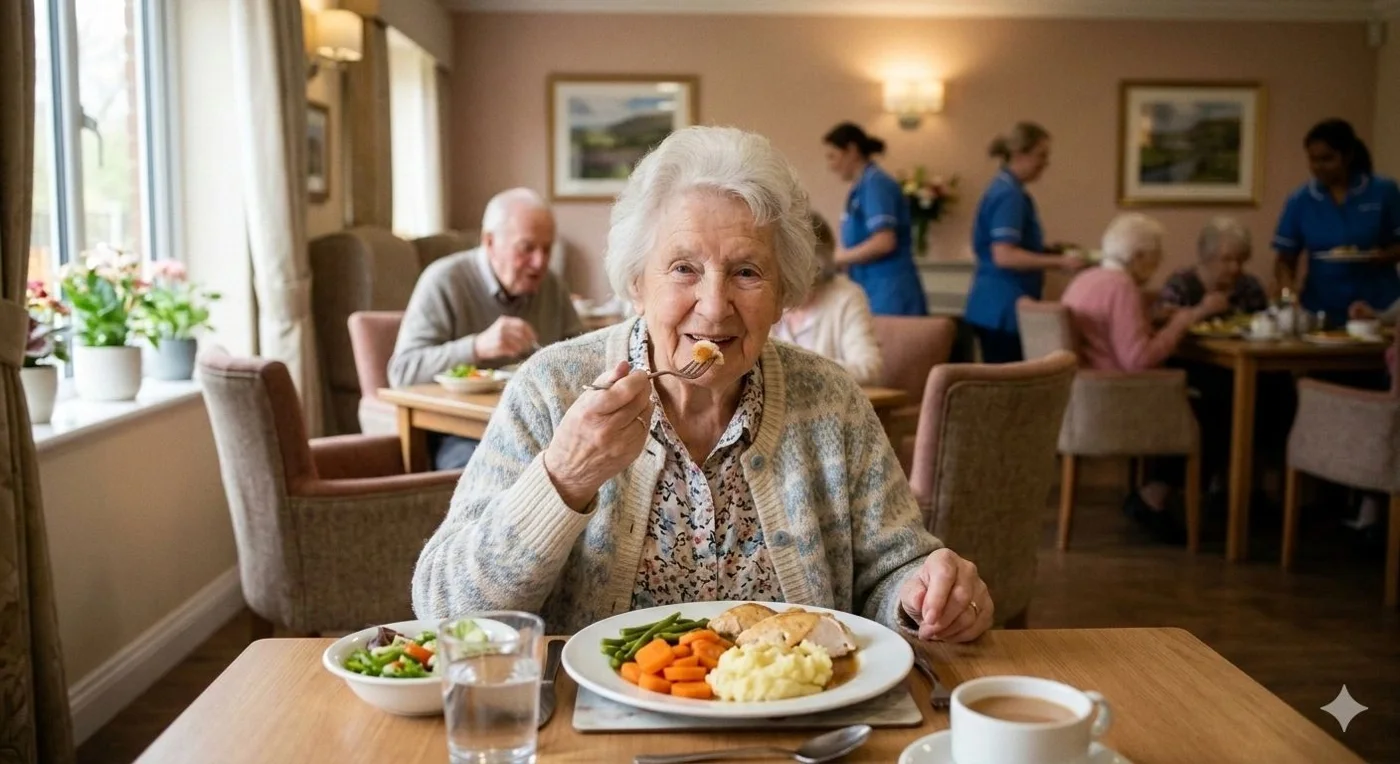
- Enhanced meal environments: Create pleasant dining spaces with social interaction
- Texture-modified diets: Provide appropriate consistency for residents with swallowing difficulties
- Oral health maintenance: Regular dental care improves eating ability and enjoyment
Special Dietary Considerations for Dementia Patients
Residents with dementia face unique nutritional challenges. Cognitive decline can affect the ability to recognize food, use utensils, or remember to eat. The Alzheimer's Association recommends specific strategies:
- Minimize distractions during meals
- Use contrasting plate colors to help food recognition
- Provide finger foods for those who struggle with utensils
- Monitor for weight changes as an early indicator of eating difficulties
- Maintain consistent meal routines
- Offer preferred foods to encourage intake
Some dementia patients experience increased appetite or forget they've eaten, requiring portion control and scheduled meal times. Others may develop food preferences or aversions that require creative menu planning.
Hydration Protocols in Residential Care Homes
Why Dehydration is a Critical Risk for the Elderly
Dehydration is one of the most common preventable causes of hospitalization among care home residents. Age-related changes reduce thirst sensation, kidney function declines, and many medications have diuretic effects. The consequences of inadequate hydration include:
- Urinary tract infections
- Constipation
- Confusion and delirium
- Falls and orthostatic hypotension
- Kidney stones and renal complications
- Increased mortality risk
Studies show that up to 40% of elderly adults admitted to hospitals are dehydrated, with many cases originating in residential care facilities. This represents a significant quality-of-care issue that is largely preventable.
Best Practices for Monitoring and Encouraging Fluid Intake
The Age UK guidance recommends that elderly adults consume 6-8 glasses (1.5-2 liters) of fluid daily, adjusted for individual health conditions. Residential care homes should implement systematic hydration protocols:
Monitoring strategies:
- Fluid intake charts for at-risk residents
- Regular observation of hydration indicators (skin turgor, urine color, mucous membranes)
- Weight monitoring to detect fluid loss
- Blood tests when clinical dehydration is suspected
Encouragement techniques:
- Offer fluids at regular intervals throughout the day
- Provide variety: water, juice, milk, herbal teas, soup
- Use attractive, easy-to-hold cups with lids to prevent spills
- Ensure fluids are within easy reach
- Make water stations accessible in common areas
- Serve hydrating foods like watermelon, cucumber, and gelatin
Staff training should emphasize that hydration is everyone's responsibility, not just nursing staff. Activities coordinators, housekeepers, and dining staff can all encourage fluid intake during their interactions with residents.
Hydration Strategies for Residents with Cognitive Impairments
Dementia patients often forget to drink or may not recognize their thirst. Specific interventions include:
- Verbal prompting and physical assistance with drinking
- Brightly colored or patterned cups that attract attention
- Offering fluids during all care interactions
- Using straws or specialized cups for easier drinking
- Providing ice chips or popsicles as alternatives
- Monitoring more frequently, as self-reporting is unreliable
Some residents with advanced dementia may resist drinking. Patience, gentle encouragement, and offering small amounts frequently often prove more effective than insisting on large quantities at once.
Sleep Hygiene and Rest Management in Elderly Care
The Importance of Quality Sleep for Aging Adults
Sleep architecture changes with age, but the need for restorative rest remains constant. Elderly adults typically experience lighter sleep, more frequent awakenings, and shifts in circadian rhythms. Poor sleep quality in residential care homes contributes to:
- Cognitive decline and increased dementia risk
- Weakened immune function
- Increased fall risk due to nighttime confusion
- Depression and anxiety
- Cardiovascular problems
- Reduced quality of life
Research from Japan's National Institute of Advanced Industrial Science and Technology has demonstrated that maintaining regular sleep-wake cycles in elderly populations improves cognitive function and reduces behavioral disturbances. Their studies emphasize the importance of daylight exposure and structured daily routines.
Creating Sleep-Conducive Environments in Care Homes
The physical environment significantly impacts sleep quality. Evidence-based environmental modifications include:
Lighting management:
- Maximize natural daylight exposure during morning and afternoon
- Reduce artificial light intensity in evening hours
- Use nightlights for safety without disrupting sleep
- Consider circadian lighting systems that adjust color temperature throughout the day
Noise control:
- Minimize nighttime care activities when possible
- Use quiet equipment and soft-soled shoes
- Create quiet zones away from high-traffic areas
- Consider white noise machines for residents sensitive to intermittent sounds
Temperature regulation:
- Maintain bedroom temperatures between 60-67°F (15-19°C)
- Provide appropriate bedding for individual preferences
- Ensure adequate ventilation
Comfortable bedding:
- Quality mattresses supporting proper alignment
- Pillows accommodating positioning needs
- Bedding changed regularly for freshness
Managing Sleep Disturbances in Dementia Patients
Sleep problems affect up to 45% of dementia patients and represent one of the most challenging aspects of care. Two common patterns require specific interventions:
Sundowning syndrome involves increased agitation, confusion, and restlessness in late afternoon and evening. Management strategies include:
- Maintaining consistent daily routines
- Increasing daytime activity and light exposure
- Reducing stimulation in evening hours
- Avoiding caffeine after midday
- Providing reassurance and reorientation
- Ensuring adequate pain management
Sleep-wake cycle disruptions cause day-night reversal, with residents sleeping during the day and remaining awake at night. The Alzheimer's Association recommends:
- Limiting daytime napping to 30 minutes
- Structured activity programs during the day
- Exposure to bright light therapy in the morning
- Regular exercise appropriate to ability level
- Avoiding large meals close to bedtime
- Establishing calming bedtime routines
Non-pharmacological interventions should always be attempted before considering sleep medications, which carry significant risks for elderly populations including falls, cognitive impairment, and paradoxical effects.
Medication Management and Safety in Residential Care Homes
Polypharmacy Risks and Medication Review Protocols
Polypharmacy—typically defined as taking five or more medications—affects the majority of residential care home residents. While multiple medications may be medically necessary, each additional drug increases the risk of adverse effects, drug interactions, and medication errors. The WHO's Medication Safety program identifies polypharmacy as a global patient safety priority.
Common risks include:
- Drug-drug interactions affecting efficacy or safety
- Increased fall risk from sedating medications
- Cognitive impairment from anticholinergic effects
- Gastrointestinal problems
- Orthostatic hypotension
- Medication non-adherence due to complex regimens
Evidence-based medication management requires:
Regular comprehensive reviews:
- Pharmacist-led medication reviews at least quarterly
- Physician reassessment of all medications semi-annually
- Immediate review following any health status change
- Application of deprescribing principles when appropriate
Medication reconciliation:
- Accurate medication lists maintained across all care transitions
- Verification of medications at admission and after hospitalizations
- Documentation of over-the-counter medications and supplements
Monitoring systems:
- Observation for adverse effects
- Laboratory monitoring when required
- Documentation of medication effectiveness
- Tracking of PRN (as-needed) medication usage patterns
Best Practices for Medication Administration
Safe medication administration in residential care homes requires robust systems and well-trained staff. Elderly care best practices include:
The "Five Rights" verification:
- Right resident
- Right medication
- Right dose
- Right route
- Right time
Additional safety measures:
- Barcode scanning systems when available
- Double-checking high-risk medications
- Proper medication storage with temperature control
- Clear labeling and organization
- Secure disposal of discontinued medications
- Incident reporting and analysis systems
Staff competencies:
- Initial medication administration training
- Regular competency assessments
- Education on new medications
- Understanding of common side effects
- Knowledge of when to withhold medications
Japan's care home sector has pioneered electronic medication management systems that reduce errors through automated dispensing, alerts for potential interactions, and comprehensive tracking. While technology enhances safety, it cannot replace clinical judgment and resident observation.
Special Considerations for Dementia Medications
Medications for dementia management fall into two categories: cognitive enhancers (cholinesterase inhibitors and memantine) and medications for behavioral and psychological symptoms. Both require careful consideration.
Cognitive medications:
- Modest benefits that vary by individual
- Regular assessment of effectiveness
- Potential gastrointestinal side effects
- Consideration of discontinuation if no benefit observed
Psychotropic medications:The use of antipsychotics, antidepressants, and anxiolytics in dementia care is controversial. While sometimes necessary for severe symptoms, these medications carry significant risks including increased mortality, stroke, and accelerated cognitive decline. The Alzheimer's Association emphasizes that non-pharmacological interventions should always be attempted first, with medications used only when:
- Behaviors pose safety risks to the resident or others
- Non-drug approaches have been systematically tried
- Potential benefits outweigh risks
- Regular reassessment occurs with attempts to reduce or discontinue
Documentation should clearly indicate the target symptoms, interventions attempted, and ongoing monitoring of effectiveness and side effects.
Comprehensive Dementia Care in Residential Settings
Person-Centered Care Approaches
Person-centered care represents the gold standard for dementia management in residential care homes. This philosophy, pioneered by psychologist Tom Kitwood, emphasizes understanding the individual behind the diagnosis. Core principles include:
- Recognizing each resident's unique history, preferences, and personality
- Maintaining dignity and respect in all interactions
- Supporting remaining abilities rather than focusing on deficits
- Providing meaningful engagement and social connection
- Involving residents in decisions about their care
- Adapting care approaches to individual needs
Life story work—gathering detailed personal histories through family interviews and memorabilia—enables staff to provide personalized care that resonates with each resident's identity. Understanding someone's career, hobbies, family structure, and significant life events allows caregivers to connect meaningfully and reduce behavioral expressions of distress.
Creating Dementia-Friendly Environments
Environmental design significantly impacts dementia residents' functioning and wellbeing. Evidence-based design principles include:
Spatial organization:
- Clear sightlines to important locations (bathroom, dining room)
- Circular walking paths for residents who pace
- Distinct areas for different activities
- Reduced corridor length and complexity
- Familiar, homelike furnishings rather than institutional aesthetics
Visual cues and signage:
- Large, clear signs with pictures and words
- Color-coded areas for navigation
- Personal items and photographs on bedroom doors
- Contrasting colors for important features (toilet seats, handrails)
- Reduced visual clutter and confusing patterns
Safety features:
- Secured outdoor spaces for safe wandering
- Concealed exits to reduce elopement risk
- Removal of hazardous items while maintaining normalcy
- Appropriate lighting eliminating shadows and glare
- Non-slip flooring with minimal transitions
Sensory considerations:
- Controlled noise levels
- Pleasant, non-institutional odors
- Tactile stimulation through varied textures
- Natural elements like plants and aquariums
Japanese care facilities have pioneered "group home" models that house 5-9 dementia residents in homelike settings with consistent staff. Research shows these small-scale environments reduce behavioral symptoms and medication use while improving quality of life.
Communication Strategies for Dementia Patients
Effective communication becomes increasingly challenging as dementia progresses, but remains essential for quality care. The NHS Dementia Guide recommends:
Verbal communication techniques:
- Use simple, short sentences with one idea at a time
- Speak slowly and clearly without shouting
- Use the person's name to gain attention
- Ask yes/no questions rather than open-ended ones
- Avoid arguing or correcting; validate feelings instead
- Allow extra time for processing and response
- Repeat information calmly if needed
Non-verbal communication:
- Maintain eye contact at the person's level
- Use gentle touch when appropriate and welcomed
- Pay attention to facial expressions and body language
- Demonstrate actions while explaining
- Use visual aids and gestures
Environmental considerations:
- Minimize background noise and distractions
- Ensure adequate lighting for lip reading
- Position yourself where the person can see you clearly
Understanding that behavior is communication is crucial. When residents cannot express needs verbally, they may communicate through actions. A person who refuses care may be experiencing pain, fear, or a need for privacy. Systematic assessment of potential causes prevents misinterpretation as "difficult behavior."
Managing Behavioral and Psychological Symptoms
Behavioral and psychological symptoms of dementia (BPSD) affect up to 90% of dementia patients at some point. Common manifestations include agitation, aggression, wandering, calling out, and resistance to care. The ABC approach provides a systematic framework:
A - Antecedents: What happened before the behavior?
- Environmental triggers (noise, crowding, temperature)
- Physical needs (pain, hunger, toileting, fatigue)
- Social factors (feeling rushed, unfamiliar people)
- Task demands exceeding current abilities
B - Behavior: What exactly occurred?
- Specific actions, words, or expressions
- Duration and intensity
- Timing and frequency patterns
C - Consequences: What happened after?
- How staff responded
- Whether the behavior achieved a result for the resident
- Impact on the resident and others
This analysis reveals patterns and identifies modifiable factors. Common interventions include:
Environmental modifications:
- Reducing stimulation for agitated residents
- Providing safe spaces for pacing or wandering
- Adjusting lighting and noise levels
Activity-based interventions:
- Meaningful engagement matched to abilities and interests
- Music therapy, particularly songs from the person's youth
- Reminiscence therapy using personal photographs
- Sensory stimulation through textured objects, aromatherapy
- Animal-assisted therapy
Care approach adjustments:
- Timing care during the person's best time of day
- Breaking tasks into smaller steps
- Offering choices to maintain autonomy
- Using distraction and redirection
- Providing reassurance and validation
Physical health assessment:
- Pain evaluation and management
- Infection screening
- Constipation prevention
- Medication review for contributing factors
Research from Japanese dementia care emphasizes the importance of maintaining routine and purpose. Programs that involve residents in meaningful activities like folding towels, setting tables, or tending plants reduce behavioral symptoms by providing purpose and occupation.
Implementing Elderly Care Best Practices: A Holistic Approach
Staff Training and Continuous Education
Quality care depends entirely on knowledgeable, skilled staff. Comprehensive training programs should address:
Initial orientation:
- Aging physiology and common conditions
- Person-centered care philosophy
- Communication skills
- Dementia care fundamentals
- Medication safety
- Infection control
- Emergency procedures
Ongoing education:
- Annual competency assessments
- Monthly in-service training on specific topics
- Dementia care certification programs
- Specialized training (palliative care, wound management)
- Case-based learning from actual resident situations
Support and supervision:
- Regular supervision from experienced staff
- Mentorship programs pairing new and experienced caregivers
- Debriefing after challenging situations
- Recognition of staff excellence
Investment in staff development reduces turnover, improves care quality, and enhances job satisfaction. The CDC emphasizes that well-trained staff are the foundation of infection prevention, fall reduction, and overall safety in long-term care facilities.
Family Engagement and Communication
Families remain vital partners in residential care home settings. Effective family engagement includes:
Regular communication:
- Scheduled care conferences at least quarterly
- Prompt notification of health changes
- Open channels for questions and concerns
- Transparent sharing of care plans and goals
Involvement opportunities:
- Participation in care planning
- Visiting during meals or activities
- Sharing life history information
- Contributing to meaningful activities
Education and support:
- Information about the progression of conditions
- Guidance on effective visiting strategies
- Support groups for families of dementia residents
- Resources for understanding care home operations
Feedback mechanisms:
- Satisfaction surveys
- Family councils providing input on policies
- Complaint resolution processes
- Recognition that families are experts on their loved ones
Strong family partnerships improve resident outcomes, increase satisfaction, and build trust. When families understand care approaches and feel heard, they become advocates rather than adversaries.
Quality Monitoring and Improvement
Continuous quality improvement ensures that elderly care best practices are consistently implemented. Robust monitoring systems include:
Outcome measures:
- Fall rates and injury severity
- Pressure ulcer incidence
- Weight loss and malnutrition prevalence
- Infection rates
- Medication error frequency
- Hospitalization rates
- Resident and family satisfaction scores
Process measures:
- Care plan completion and updating
- Documentation quality
- Staff training compliance
- Medication review timeliness
- Assessment completion rates
Quality improvement methodology:
- Regular data analysis identifying trends
- Root cause analysis of adverse events
- Plan-Do-Study-Act cycles for testing changes
- Benchmarking against similar facilities
- Celebrating successes and sharing best practices
Leadership commitment to quality improvement creates a culture where staff feel empowered to identify problems and suggest solutions. Transparency with outcomes demonstrates accountability to residents, families, and regulators.
Conclusion
Excellence in residential care home settings requires comprehensive attention to the interconnected elements of health, nutrition, hydration, sleep, medication management, and specialized dementia care. Evidence-based elderly care best practices, drawn from organizations like the NHS, CDC, WHO, Alzheimer's Association, and innovative approaches from Japan's aging care sector, provide a roadmap for delivering exceptional care.
The fundamental principle underlying all these practices is person-centered care that recognizes the dignity, individuality, and worth of every resident. When residential care homes implement systematic approaches to nutrition, ensure adequate hydration, promote restorative sleep, manage medications safely, and provide compassionate dementia care, they create environments where elderly residents can thrive rather than merely exist.
For families evaluating residential care options, these evidence-based practices serve as quality indicators. Ask potential care homes about their approaches to these fundamental aspects of care. For care home administrators and staff, continuous improvement in these areas represents both a professional obligation and an opportunity to make meaningful differences in residents' lives.
Quality elderly care is not achieved through any single intervention but through the consistent application of best practices across all domains of health and wellbeing. By embracing evidence-based approaches and maintaining unwavering commitment to dignity and respect, residential care homes can provide the high-quality care that our aging population deserves.