Support, Self-Care, and When to Seek Professional Help
When you first notice your parent struggling to open a medication bottle or forgetting to eat lunch, the transition into a caregiving role often feels sudden. Caring for elderly parents is one of the most profound responsibilities many of us will face, blending love with the practical realities of managing health, personal care, food, hydration, mobility, and medication. While family caregiving is a testament to devotion, it's essential to understand both the demands it places on you and when professional support becomes not just helpful, but necessary.
This guide explores the realities of family caregiving, the often-overlooked impact on your own well-being, and how professional services like home care and residential care can provide the support your family needs.
The Reality of Caring for Elderly Parents
Family caregiving encompasses far more than occasional visits or helping with errands. For many, it becomes a comprehensive responsibility that touches every aspect of daily life.
Daily Responsibilities: Health and Personal Care
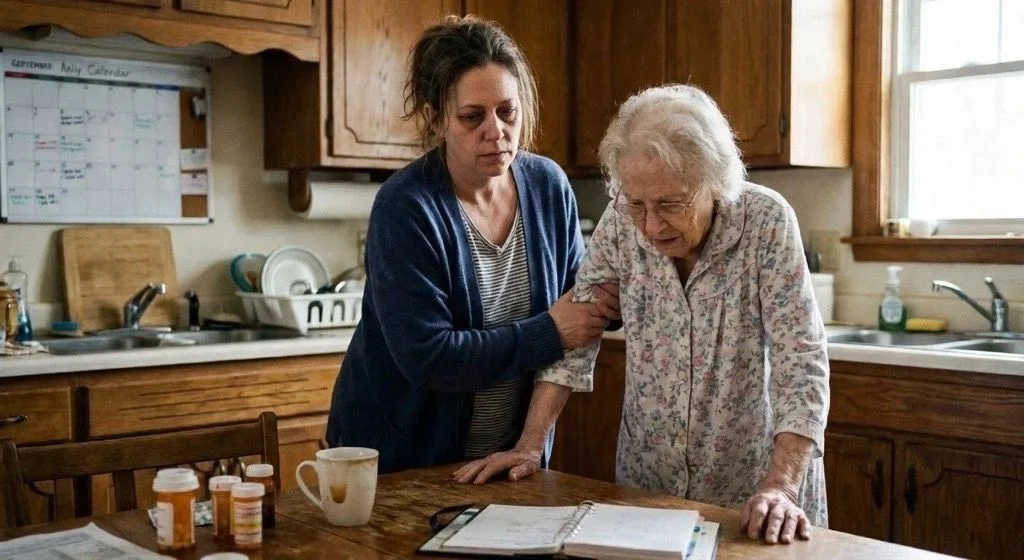
Personal care tasks form the foundation of elderly caregiving. This includes assistance with bathing, dressing, grooming, and toileting—intimate activities that require patience, physical strength, and emotional resilience. According to Carers UK, over 5 million people in the UK provide unpaid care for family members, with many dedicating more than 50 hours per week to these responsibilities.
Monitoring health conditions adds another layer of complexity. You may find yourself tracking blood pressure readings, managing chronic conditions like diabetes or heart disease, coordinating with multiple healthcare providers, and recognizing subtle changes that might indicate declining health.
Managing Nutrition, Hydration, and Medication
Ensuring proper nutrition and hydration becomes increasingly challenging as parents age. Appetite often decreases, swallowing difficulties may develop, and cognitive changes can lead to forgotten meals. Caregivers must plan nutritious meals, monitor fluid intake to prevent dehydration, and sometimes assist with feeding.
Medication management presents its own challenges. The average elderly person takes multiple medications daily, each with specific timing requirements, potential interactions, and side effects to monitor. Missing doses or taking incorrect amounts can have serious health consequences, making this one of the most stress-inducing aspects of caregiving.
Supporting Mobility and Safety
As mobility declines, the risk of falls increases dramatically. The NHS reports that falls are the most common cause of injury-related deaths in people over 65. Family caregivers must help with walking, transfers from bed to chair, and navigating stairs, while also making home modifications to reduce fall risks—installing grab bars, removing tripping hazards, and ensuring adequate lighting.
The Hidden Cost: How Caregiving Impacts Your Own Well-being
While caring for elderly parents is often described as rewarding, the long-term impact on caregivers' own health and well-being is substantial and frequently underestimated.
Physical Exhaustion and Health Risks
The physical demands of caregiving take a measurable toll. Lifting, transferring, and assisting with mobility can lead to back injuries, muscle strain, and chronic pain. Sleep deprivation becomes common, particularly when elderly parents require nighttime assistance or experience conditions like dementia that disrupt sleep patterns.
Research published by Age UK indicates that caregivers are at increased risk for their own health problems, including cardiovascular disease, weakened immune function, and slower wound healing. The stress of caregiving literally affects your body at a cellular level, accelerating aging and increasing vulnerability to illness.
Emotional Stress and Mental Health
The emotional burden of watching a parent decline, making difficult decisions on their behalf, and managing the role reversal from child to caregiver creates significant psychological strain. Many caregivers experience:
- Anxiety about making the right care decisions
- Guilt when feeling overwhelmed or resentful
- Grief as they witness their parent's declining abilities
- Depression from isolation and chronic stress
The Mental Health Foundation notes that caregivers are twice as likely to experience mental health problems compared to non-caregivers, yet often neglect their own emotional needs while prioritizing their parent's care.
Impact on Career and Relationships
Balancing caregiving with employment creates constant tension. Many caregivers reduce their working hours, decline promotions, or leave the workforce entirely. This not only affects current income but also reduces pension contributions and career progression, with long-term financial implications.
Personal relationships suffer as well. Time with partners, children, and friends diminishes. Social isolation increases as caregiving responsibilities consume available time and energy. Marriages face strain, and friendships fade when you're unable to maintain regular contact or participation in social activities.
Financial Strain
The financial impact of caregiving extends beyond lost income. Out-of-pocket expenses for medications, medical equipment, home modifications, and care supplies add up quickly. Many family caregivers spend thousands of pounds annually on their parent's care while simultaneously experiencing reduced earning capacity.
Recognizing When You Need Professional Support
Understanding when family caregiving has reached its limits is crucial for both your well-being and your parent's quality of care.
Warning Signs for Caregivers
You may need professional support if you're experiencing:
- Persistent exhaustion that doesn't improve with rest
- Physical health problems developing or worsening
- Emotional symptoms including frequent crying, irritability, or feelings of hopelessness
- Social withdrawal and loss of interest in activities you once enjoyed
- Resentment toward your parent or other family members
- Difficulty maintaining employment or other important responsibilities
- Neglecting your own health appointments or needs
These signs indicate caregiver burnout—a state of physical, emotional, and mental exhaustion that compromises your ability to provide effective care.
Warning Signs for Your Elderly Parent
Professional care may be necessary when your parent:
- Requires assistance multiple times during the night
- Needs help with most or all activities of daily living
- Has complex medical needs requiring specialized knowledge
- Experiences cognitive decline creating safety risks
- Shows signs of inadequate care despite your best efforts
- Would benefit from social interaction and structured activities
- Lives in a home environment that's no longer safe or manageable
Recognizing these signs isn't admitting failure—it's acknowledging that professional expertise and resources can provide better outcomes for everyone involved.
Professional Care Options: Home Care vs. Residential Care
When family caregiving becomes unsustainable, professional care services offer solutions tailored to different needs and circumstances.
Home Care Services: Support in Familiar Surroundings
Home care allows elderly parents to remain in their own homes while receiving professional assistance. Services can be customized from a few hours weekly to 24-hour live-in care, addressing specific needs while preserving independence and familiar routines.
Benefits of home care include:
- Maintaining familiar environment and community connections
- Personalized one-on-one attention
- Flexibility to adjust services as needs change
- Family involvement in care decisions
- Often more cost-effective for moderate care needs
Vila Homecare serves service users throughout Kent, providing compassionate, professional home care services designed to support elderly individuals in their own homes. Their trained care professionals assist with personal care, medication management, meal preparation, mobility support, and companionship, enabling families to step back from intensive caregiving while ensuring their loved ones receive quality care. By partnering with home care services Kent providers like Vila Homecare, families can maintain their own well-being while knowing their parents are properly supported.
Residential Care Homes: Comprehensive 24/7 Support
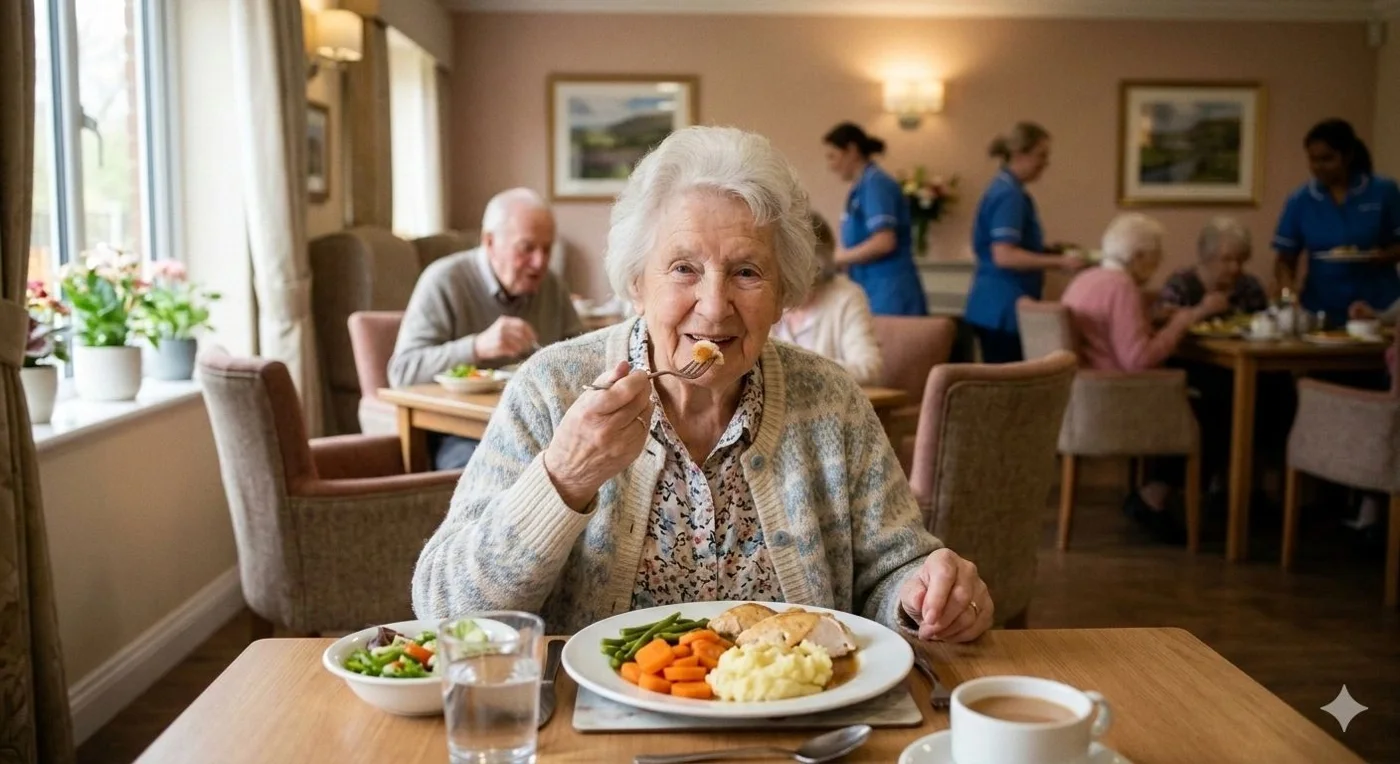
Residential care homes provide around-the-clock professional care in a supportive community environment. This option becomes appropriate when care needs exceed what can be safely or practically provided at home, or when social isolation and loneliness affect quality of life.
Benefits of residential care include:
- 24-hour professional supervision and support
- Immediate response to medical emergencies
- Social activities and community engagement
- Specialized care for conditions like dementia
- Relief from physical caregiving demands for family members
- Professional management of complex health needs
St Nectans Residential Care Home serves residents in East Sussex, offering a warm, homelike environment with comprehensive care services. Their experienced staff provides personalized support for all aspects of daily living, from personal care and medication management to nutritious meals and engaging activities. For families seeking residential care homes East Sussex options, St Nectans offers peace of mind knowing loved ones receive professional care in a caring community setting.
How to Choose the Right Option
The decision between home care and residential care depends on multiple factors:
Consider home care when:
- Your parent strongly prefers staying at home
- Care needs are moderate and well-defined
- The home environment can be made safe and accessible
- Family members can supplement professional care
- Budget constraints favor home-based services
Consider residential care when:
- Care needs are extensive or unpredictable
- Safety concerns exist in the home environment
- Your parent would benefit from structured social interaction
- Family caregivers are experiencing severe burnout
- Complex medical needs require constant professional oversight
Both options allow you to transition from being the primary caregiver to being a loving family member—visiting, spending quality time, and advocating for your parent's needs without the exhausting burden of day-to-day care responsibilities.
Taking the Next Step: Reaching Out for Help
If you're reading this and recognizing yourself in the descriptions of caregiver strain, know that seeking professional help is a sign of wisdom and love, not weakness or abandonment.
Start by:
- Having honest conversations with your parent about their needs and preferences
- Assessing current and anticipated care requirements realistically
- Researching local services and visiting facilities or meeting with home care providers
- Checking reviews and Care Quality Commission (CQC) ratings at CQC.org.uk
- Discussing financial options, including benefits your parent may be entitled to through the Gov.uk care and support guidance
- Involving other family members in decisions and planning
Remember that transitioning to professional care doesn't mean you're no longer involved—it means you're ensuring your parent receives the best possible care while protecting your own health and well-being.
Conclusion
Caring for elderly parents is one of life's most challenging responsibilities, demanding enormous physical, emotional, and financial resources. While family caregiving comes from a place of love and devotion, recognizing when professional support is needed protects both you and your parent.
Whether through home care services that support independence in familiar surroundings or residential care that provides comprehensive 24/7 support, professional care options exist to meet diverse needs. In Kent, Vila Homecare offers personalized home care services, while St Nectans Residential Care Home provides compassionate residential care in East Sussex.
Your well-being matters. By acknowledging your limits and seeking appropriate professional support, you're not failing your parent—you're ensuring they receive quality care while preserving your own health, relationships, and ability to be a loving, present family member for years to come.