
By Ms. Toni-Jayne Paine, Care Manager at St Nectans Residential Care Home
After years of working in elderly care across East Sussex, I've had the privilege of supporting countless families through one of life's most challenging decisions: choosing a care home in East Sussex for a loved one. As Care Manager at St Nectans Residential Care Home in Bexhill-on-Sea, part of Vila Healthcare Group, I understand the questions, concerns, and emotions that families face during this journey.
Vila Healthcare Group has been supporting families across East Sussex since 1978 (St Nectans), and in that time, we've learned that every family's situation is unique. Whether you're in Hastings, St Leonards-on-Sea, Battle, or Bexhill-on-Sea, finding the right care home requires careful consideration of your loved one's needs, preferences, and circumstances.
In this guide, I'll share my professional insights to help you navigate this important decision with confidence and clarity.
When Should You Consider a Care Home?
Signs It May Be Time for Professional Care
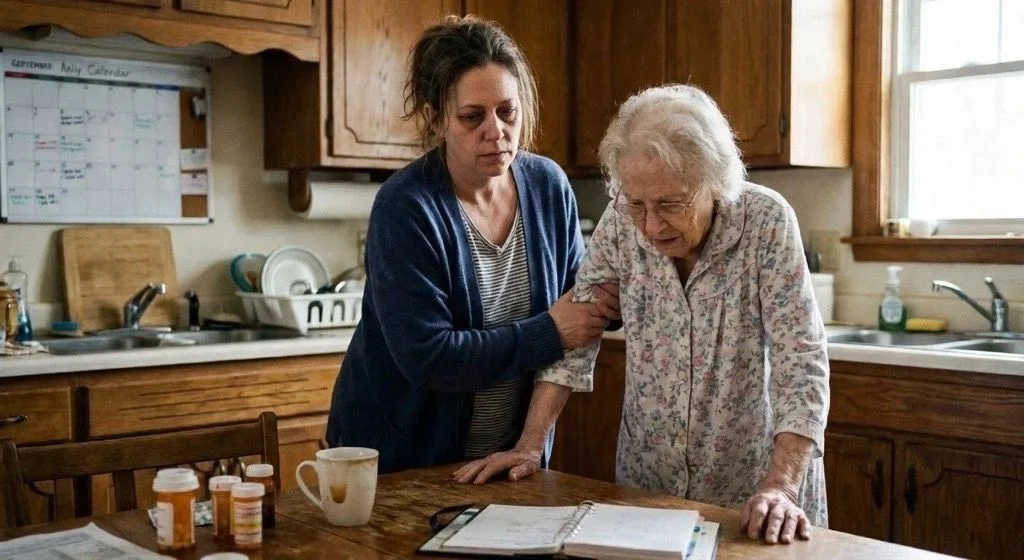
One of the most common questions I hear from families is: "How do we know when it's time?" There's rarely a single moment that makes the answer obvious. Instead, it's usually a gradual realization that your loved one's care needs have become too complex or demanding to manage safely at home.
In my experience, these are some key signs that it may be time to consider a care home in East Sussex:
- Safety concerns: Frequent falls, wandering, or forgetting to turn off appliances
- Personal care challenges: Difficulty with bathing, dressing, or using the toilet independently
- Medication management issues: Missing doses or taking incorrect medications
- Nutritional concerns: Not eating properly or losing weight
- Social isolation: Becoming withdrawn or lonely despite family visits
- Caregiver burnout: Family members feeling physically or emotionally exhausted
- Medical complexity: Multiple health conditions requiring professional monitoring
- Cognitive decline: Memory problems or confusion that compromise safety
The NHS provides helpful guidance on social care and support that can help you assess your loved one's needs objectively.
Having the Conversation with Your Loved One
I've seen many families struggle with how to broach the subject of care homes. My advice? Start the conversation early, ideally before a crisis makes the decision urgent. Approach it with empathy, honesty, and respect for your loved one's feelings and autonomy.
Focus on:
- Safety and wellbeing: Frame it as ensuring they receive the best possible care
- Quality of life: Emphasize opportunities for social connection and activities
- Relieving family stress: Explain that professional care allows family to focus on quality time together
- Choice and control: Involve them in visiting homes and making decisions
Remember, resistance is natural. Many older adults fear losing independence or being a burden. Listen to their concerns and address them thoughtfully.
Assessing Care Needs vs. Home Care Options
Not everyone who needs support requires residential care. Some families find that home care services, assistive technology, or family support can meet their loved one's needs effectively. However, when care needs become round-the-clock, or when safety risks are significant, a care home often becomes the most appropriate option.
Consider factors like:
- Level of care required: Can needs be met with visiting carers, or is 24-hour support necessary?
- Home environment: Is the property suitable and safe for someone with mobility or cognitive issues?
- Family capacity: Can family members realistically provide the level of support needed?
- Cost comparison: Sometimes residential care is more cost-effective than extensive home care packages
Where Should a Care Home Be Located?
The Importance of Location in East Sussex
Location matters more than many families initially realize. While it might be tempting to choose a care home solely based on facilities or cost, I always encourage families to think carefully about geography.
East Sussex offers diverse communities, each with its own character. From the coastal charm of Bexhill-on-Sea and St Leonards-on-Sea to the historic appeal of Battle and the vibrant energy of Hastings, the right location can significantly impact your loved one's happiness and your family's ability to stay connected.
Proximity to Family and Community Connections
In my role at St Nectans, I've observed that residents who receive regular family visits tend to be happier and more engaged. When choosing a care home in East Sussex, consider:
- Travel time for regular visitors: Can family members visit frequently without excessive travel?
- Public transport links: Is the home accessible for relatives who don't drive?
- Familiar surroundings: Is the home in an area your loved one knows and feels connected to?
- Community ties: Can they maintain relationships with local friends, churches, or community groups?
For families spread across East Sussex—perhaps with some relatives in Hastings and others in Battle—finding a centrally accessible location can make a significant difference.
Local Amenities and Environment Considerations
The surrounding environment contributes to quality of life. When evaluating locations, think about:
- Outdoor spaces: Are there gardens, parks, or seafront areas for walks and fresh air?
- Local character: Does the town or village suit your loved one's personality and preferences?
- Activities and outings: Are there nearby cafes, shops, libraries, or entertainment venues for outings?
- Climate and setting: Coastal locations like Bexhill-on-Sea offer mild weather and sea views, while inland areas like Battle provide rural tranquility
At Vila Healthcare Group, our homes across East Sussex are thoughtfully located to offer residents the best of their local communities.
Understanding Different Types of Care Homes
Residential Care Homes
Residential care homes, like St Nectans, provide accommodation and personal care for people who can no longer live independently but don't require nursing care. This includes:
- Assistance with daily living activities (washing, dressing, eating)
- Medication management
- Meals and housekeeping
- Social activities and companionship
- 24-hour staff presence
Residential care is suitable for individuals who need support with daily tasks but are generally medically stable.
Nursing Homes
Nursing homes provide all the services of residential care, plus registered nurses on-site 24/7 to deliver clinical care. This is appropriate for residents with:
- Complex medical needs
- Conditions requiring regular nursing interventions
- Post-hospital rehabilitation needs
- End-of-life care requirements
The Care Quality Commission (CQC) regulates both residential and nursing homes, and you can check ratings and inspection reports on their website to understand the quality of care provided.
Dementia and Specialist Care Homes
Some care homes specialize in dementia care, offering secure environments designed specifically for people with Alzheimer's disease or other forms of dementia. Features often include:
- Secure outdoor spaces to prevent wandering
- Memory-friendly design and signage
- Specialized activities and therapies
- Staff trained in dementia care approaches
If your loved one has dementia, choosing a home with specialist expertise can make an enormous difference to their wellbeing and quality of life.
Respite Care Options in East Sussex
Respite care options are something I'm particularly passionate about. Many family caregivers don't realize that short-term care stays are available—not just for emergencies, but as a planned break to prevent burnout.
Respite care can provide:
- Planned breaks: A week or two while family caregivers take a holiday
- Emergency cover: Short-term care during family illness or crisis
- Trial stays: An opportunity for your loved one to experience residential care before committing long-term
- Regular relief: Some families arrange regular monthly respite to maintain sustainable caregiving
At Vila Healthcare Group, we welcome respite guests and provide the same high standard of care as we do for permanent residents. It's an excellent way to support family caregivers while ensuring your loved one receives professional care in a safe, comfortable environment.
Organizations like Age UK offer valuable information and support for family caregivers, including guidance on accessing respite care.
What to Look for When Visiting Care Homes
CQC Ratings and Quality Indicators
Before visiting any care home, I recommend checking its CQC rating. The CQC inspects all registered care homes and rates them as Outstanding, Good, Requires Improvement, or Inadequate across five key areas:
- Safe
- Effective
- Caring
- Responsive
- Well-led
While ratings are important, they're not the whole story. Read the full inspection report to understand specific strengths and any areas for improvement. At St Nectans, we're proud of our "Good" CQC rating, which reflects our commitment to safe, compassionate care.
Meeting the Care Team
When you visit a care home in East Sussex, pay attention to the staff. Do they seem:
- Friendly, warm, and genuinely engaged with residents?
- Professional and knowledgeable?
- Unhurried and attentive?
Ask about:
- Staff-to-resident ratios
- Training and qualifications
- Staff retention (high turnover can indicate problems)
- How care plans are developed and reviewed
The quality of care ultimately depends on the people delivering it. Trust your instincts about whether the team feels right for your loved one.
Observing the Atmosphere and Activities
During your visit, observe the overall atmosphere. Does it feel:
- Homely and welcoming, or institutional?
- Clean, well-maintained, and pleasant?
- Calm and peaceful, or chaotic?
Look at how residents spend their time:
- Are they engaged in activities, or sitting alone?
- Do they seem content and comfortable?
- Is there a varied activities program?
Ask about daily routines, meal times, visiting hours, and how individual preferences are accommodated. A good care home balances structure with flexibility to honor each resident's lifestyle and choices.
How Vila Healthcare Group Supports East Sussex Families
Over 45 Years of Compassionate Care Since 1978
Vila Healthcare Group has been a trusted name in East Sussex care since 1978. For over four decades, we've supported families throughout Hastings, St Leonards-on-Sea, Battle, Bexhill-on-Sea, and surrounding areas. This longevity speaks to our commitment to quality, compassion, and community.
Throughout my career with Vila Healthcare Group, I've witnessed firsthand how our values shape everything we do. We're not just providing accommodation and care—we're creating homes where people can live with dignity, purpose, and joy.
Our Approach to Person-Centered Care
At the heart of Vila Healthcare Group's philosophy is person-centered care. This means:
- Individualized care plans: We get to know each resident's history, preferences, routines, and needs
- Dignity and respect: We treat every resident as a unique individual with rights and choices
- Family involvement: We welcome family participation in care decisions and daily life
- Holistic wellbeing: We address physical, emotional, social, and spiritual needs
Whether someone joins us for long-term residential care or short-term respite, they receive the same thoughtful, personalized approach.
Supporting Families Through Every Step
I understand that choosing a care home can feel overwhelming. At Vila Healthcare Group, we're here to support you through every stage:
- Initial inquiries: We take time to understand your situation and answer questions
- Assessments: We conduct thorough assessments to ensure we can meet your loved one's needs
- Visits and tours: We encourage multiple visits so you can see our home at different times
- Transition support: We help make the move as smooth as possible
- Ongoing communication: We keep families informed and involved
For families across East Sussex seeking guidance on care options, East Sussex County Council's adult social care services can also provide information about assessments, funding, and local support.
Next Steps: Finding the Right Care Home for Your Family
Choosing a care home in East Sussex is a significant decision, but you don't have to make it alone. Whether you're just beginning to explore options or you're ready to arrange visits, I encourage you to:
- Start early: Don't wait for a crisis to begin your research
- Visit multiple homes: Compare facilities, staff, and atmospheres
- Ask questions: No question is too small or unimportant
- Trust your instincts: Your gut feeling about a home matters
- Involve your loved one: Include them in the process as much as possible
At St Nectans Residential Care Home and across Vila Healthcare Group, we're committed to providing exceptional care in a warm, supportive environment. If you're looking for a care home in Bexhill-on-Sea, Hastings, St Leonards-on-Sea, Battle, or anywhere in East Sussex, I'd be delighted to welcome you for a visit.
To arrange a tour or discuss your family's needs:
📞 Call us to speak with our team ✉️ Email us with your questions 🏠 Visit us at St Nectans Residential Care Home, Bexhill-on-Sea
We look forward to supporting your family with the same compassion and dedication we've provided to East Sussex families since 1978.
Author Bio Box:
About the Author: Ms. Toni-Jayne Paine is the Care Manager at St Nectans Residential Care Home in Bexhill-on-Sea, part of Vila Healthcare Group. With extensive experience in elderly care across East Sussex, Toni-Jayne is passionate about supporting families through the care home selection process and ensuring every resident receives compassionate, person-centered care.